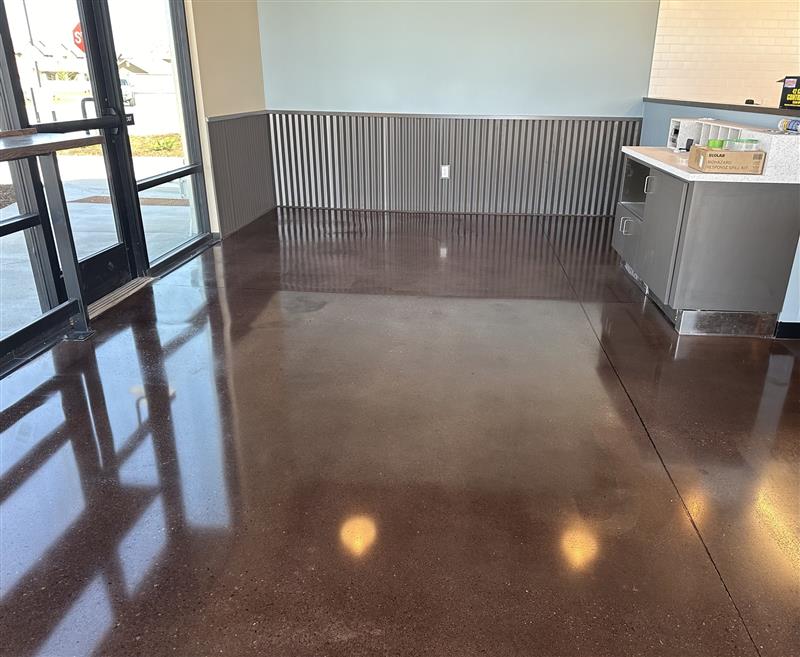
Epoxy flooring is a great option for a durable and polished finish. It isn't just about looks. This surface can handle a lot of wear, which is why it’s popular in homes and businesses around Castle Rock.
Consider residential garages that double as workshops, retail spaces with constant foot traffic, or commercial kitchens where spills happen. Epoxy holds up. It resists chemicals, oils, and grime, which makes cleanup easy. Plus, it's seamless, so there are no grout lines to trap dirt and bacteria.
For homeowners, epoxy floors can transform a dull basement into a bright, usable space. For businesses, it creates a clean environment that customers notice. Applying epoxy isn't easy. Surface preparation matters. Make sure the concrete is clean and dry. Grinding it down a bit can create a good bond. Need Local Flooring Contractor Castle Rock that delivers quality results.. Skip this step, and you'll see peeling and bubbling, which is hard to fix.
There are different types of epoxy coatings, each with unique traits. Some work better for high-impact areas, while others resist chemicals. Choosing the right one matters for lasting results.
Let’s explore the different kinds of epoxy you can use for flooring. They aren't all the same. Your choice depends on what you want to achieve, especially here in Castle Rock where we see mountain homes and busy commercial spaces.
First, there is self-leveling epoxy. This works well to smooth uneven concrete floors. It creates a glossy look. Homeowners like it for garages or basements. Real estate investors can use it to upgrade a property before selling. Note that it can cost more than other options.
Next is metallic epoxy. This creates swirling, 3D effects. Showrooms or restaurants often choose this because it's eye-catching. However, it can be tricky to install and might not work well in high-traffic areas where you need durability.
Another option is flake epoxy. This involves embedding colored flakes into the epoxy. It's durable and hides imperfections, which works for garages or workshops. Also, it resists slips, which improves safety. For new construction, it’s a way to add value without spending too much.
Each type has pros and cons. Self-leveling looks great but costs more. Metallic looks stunning but is less durable. Flake is tough and hides flaws but might not look luxurious. Choosing the right one helps you get results and happy clients.
First, you need a good drill with a mixing paddle. A cheap drill will burn out fast, so don't skimp. Find a heavy-duty drill with variable speed to control mixing. A good paddle is also important. Get one made for epoxy to avoid air bubbles. Bubbles are hard to remove later. Nobody wants that.
Surface prep matters. You need a concrete grinder with diamond grinding pads. Rent one for small jobs. If you do this often, buy a good grinder. A shop vac with a HEPA filter is also needed for dust control. Epoxy does not stick well to dusty surfaces. Get scrapers and chisels for tough spots.
You can't spread epoxy by hand! Get notched squeegees and rollers. The squeegee notch size sets the epoxy layer thickness, so choose based on what the maker suggests. Back-rolling with a spiked roller helps remove trapped air bubbles after using the squeegee. Also, get disposable brushes for edges and small details.
Epoxy is bad if it gets on your skin or in your lungs. A respirator with organic vapor cartridges is a must. Get safety glasses or goggles to protect your eyes from splashes. Wear chemical-resistant gloves. Nitrile gloves work well. Coveralls can protect your clothes from epoxy spills. Always put safety first.
You need epoxy! Pick a good epoxy system made for flooring. Think about how you will use it (home or business), the finish you want (shiny or not), and any special needs (chemical or UV resistance). Don't buy the cheapest epoxy. It is not worth the trouble. Also, have the right primer and a topcoat to make it last longer and look better.
Before you pour epoxy, floor preparation is key. Most people mess this up. Skip this step, and your epoxy will peel, bubble, or not stick. No one wants that.
Now, patching is next. Look for cracks, holes, and imperfections. Use a concrete patching compound to fill these in. Let it cure completely before moving on.
Moisture is an enemy of epoxy. You must test the concrete for moisture. You can get a moisture meter from most supply stores. If the moisture level is too high, the epoxy won't bond, and you're asking for trouble. There are moisture mitigation products you can apply, but that adds to the cost. Sometimes it's better to wait for a dry spell.
First, cleaning is important. Remove everything, including dust, grease, and old coatings. Start with a good scrub using a degreaser. Next, grinding. This makes the surface smooth and opens the concrete pores so the epoxy can grab on. You’ll need a concrete grinder and the correct diamond grinding pads for the job. Use different pads for different concrete hardness levels.
What about other flooring types? Wood needs to be sanded and primed. Tile needs to be ground to create a profile for epoxy adhesion. Every surface is different, so do your research.
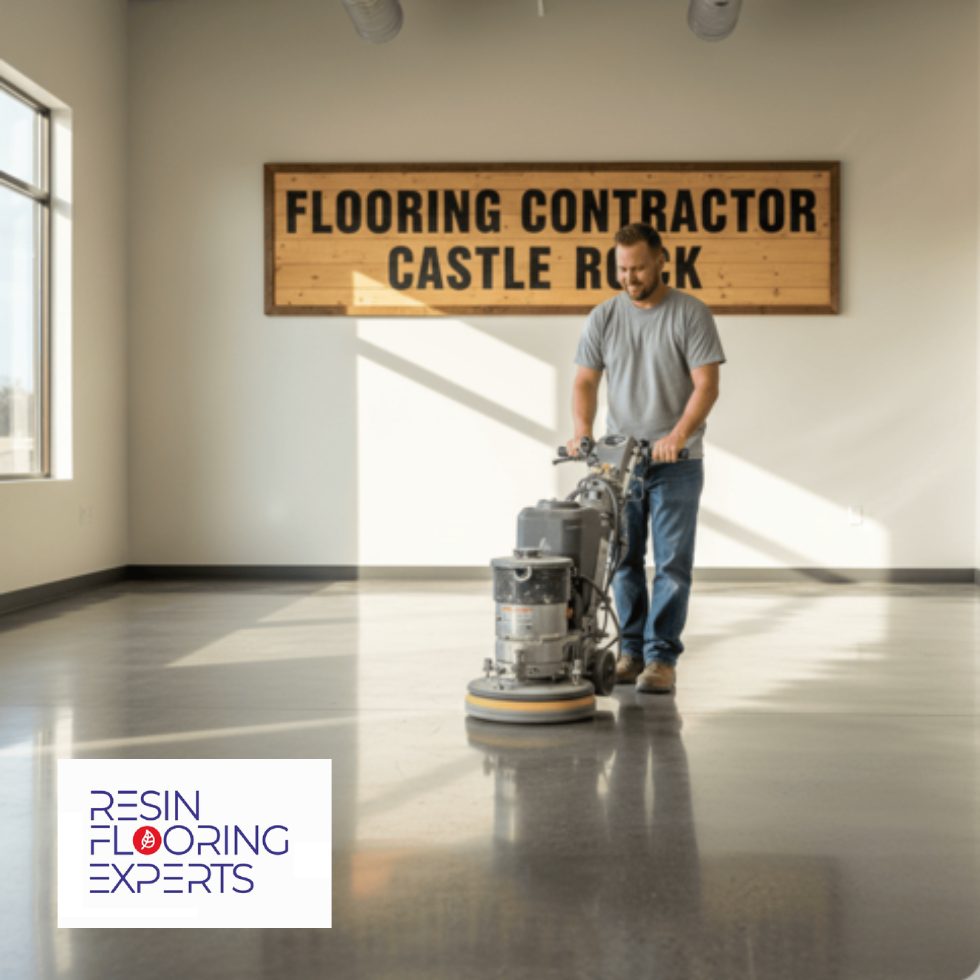
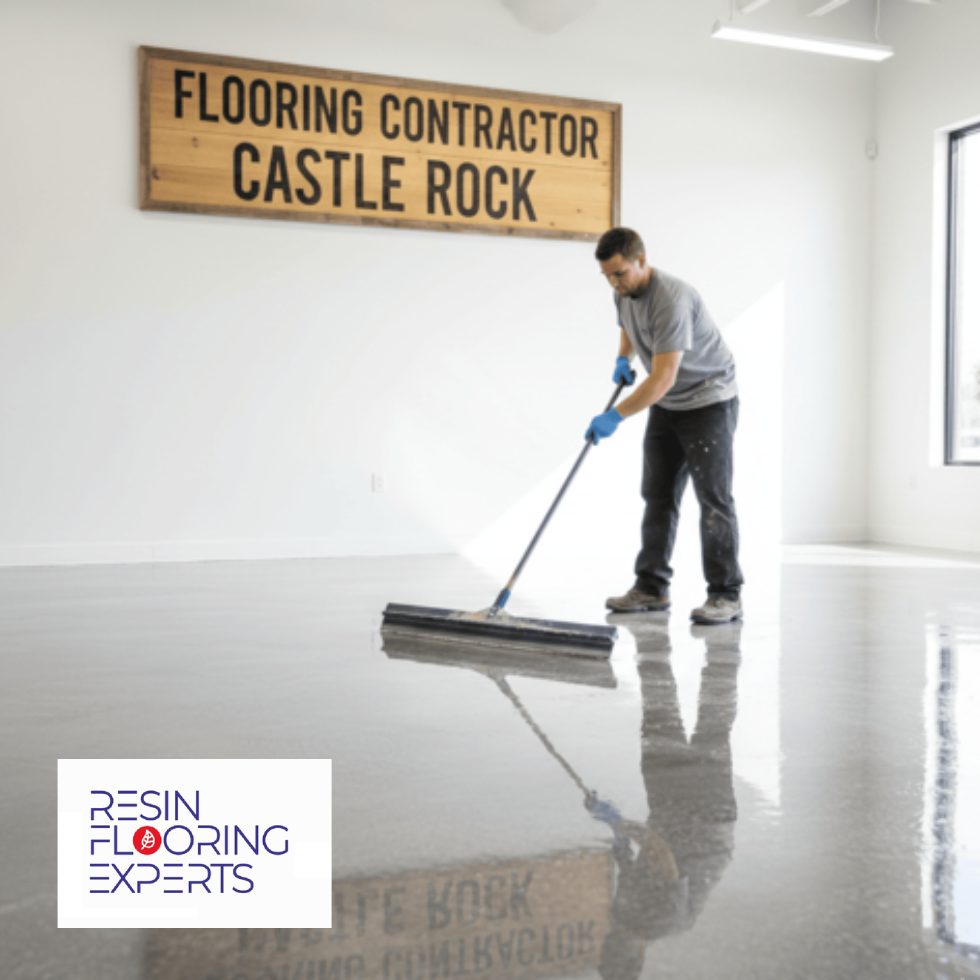
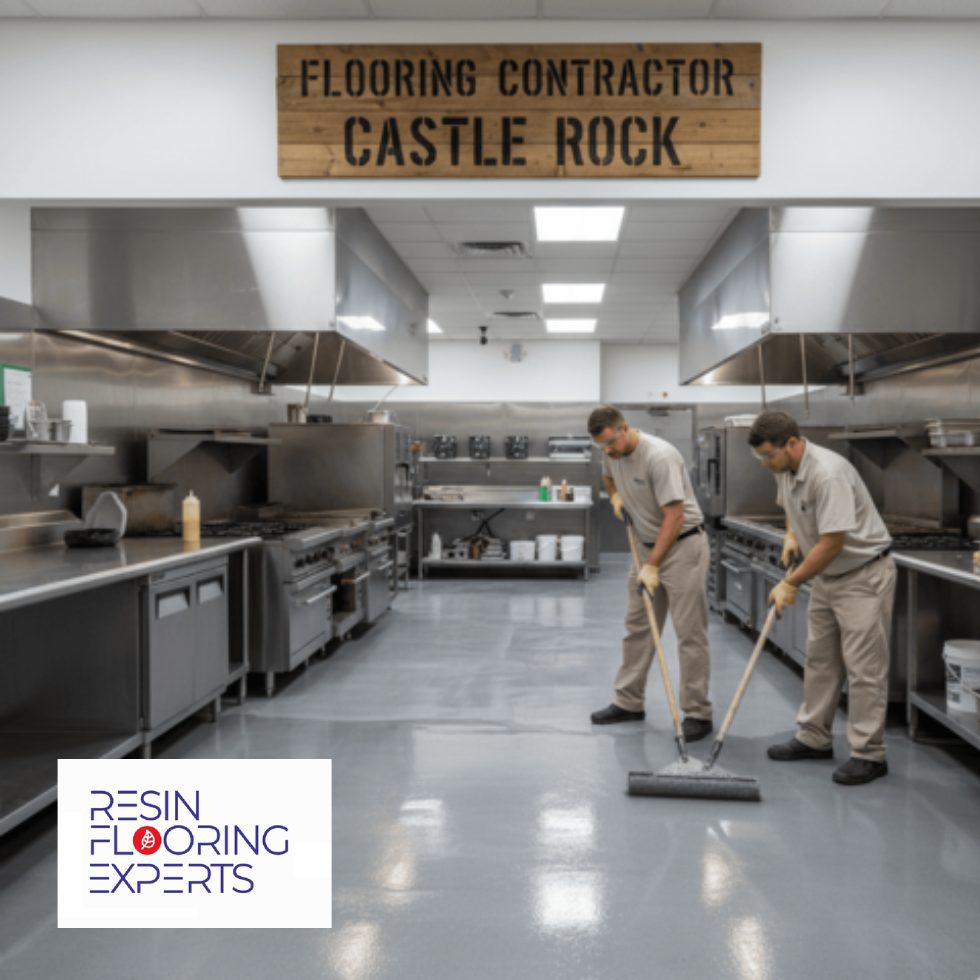
Ready to lay down some epoxy flooring? Here is how to do it right, especially when you want that durable, polished look.
First, mixing is key. Always follow the manufacturer's ratio for your epoxy resin and hardener. Don't guess! Too much of one or the other means your floor won't cure right. You will have a sticky mess or a brittle surface. Use a mixer, and mix well, scraping the sides and bottom of the bucket.
When you pour, spread it evenly. A notched squeegee helps a lot. Get your depth right. After pouring, use a spiked roller to remove bubbles. Seriously, don't skip this step. Tiny bubbles will ruin the finish.
Now about multiple coats. For a tough, high-gloss finish, you'll almost always want more than one coat. Let the first coat cure, then lightly sand it to give the next coat something to grip. Clean it well. Vacuum, tack cloth – the works. Any dust or debris will show.
The second coat goes on much the same way as the first, but consider a self-leveling epoxy for this topcoat to really get that glass-like finish. Again, watch for bubbles! If you do all this, you're going to end up with a floor that looks fantastic and will hold up.
After you apply the epoxy, curing is very important. This is when the epoxy hardens and reaches its full strength. Temperature and humidity matter here. Keep the area clean and free of dust during this time. Follow the manufacturer's instructions for curing times because different epoxies have different needs. Rushing this step can lead to a weaker floor.
Once it's cured, you can move on to finishing. This is where you refine the look and protection. A top coat is often applied to add scratch resistance and UV protection. This is important in Castle Rock, where we get a lot of sun. There are different types of top coats, like polyurethane, which offer different gloss and durability levels.
Polishing is another option, and it can bring out the shine in the epoxy. You'll need a special polishing machine and the right pads. Start with a coarser grit and move to finer grits to get the gloss you want. It's a bit of an art, but the results can be great.
Protecting the finish is key for the long haul. Use mats in high-traffic areas, and avoid dragging heavy objects across the floor. Regular cleaning with a mild detergent will also help keep it looking good. If you do this, your clients will enjoy that epoxy floor for years.
Are you applying epoxy and running into snags? No problem. It happens. Bubbles are common. Often, they come from improper mixing or incorrect temperature. The Castle Rock climate can cause issues. When it is too cold, epoxy thickens and traps air. When it is too hot, it cures too fast, creating the same problem. On cold days, warm the epoxy components a bit before mixing. Don't overheat them. Just warm them enough to improve flow. A heat gun can help, but use caution.
What about unevenness? This is often a preparation issue. The floor must be level before you apply epoxy. Self-leveling compounds can help. Also, use the correct squeegee and spread the epoxy evenly. Take your time.
Discoloration can be difficult. It could be the epoxy itself. Less expensive products tend to fade. Sunlight could also be the cause. Direct sunlight may require a UV-resistant topcoat. Always follow the manufacturer's instructions. They understand their product. Ignoring instructions invites problems. Redoing an epoxy floor is something you want to avoid. Take it from someone who knows.
You have a great epoxy floor. Now, keep it looking good and lasting long. For homes and businesses here in Castle Rock, regular care helps.
First, cleaning. Sweep or vacuum often to remove dirt and grit. This prevents scratches. Next, mop with mild soap and water. Simple. Avoid harsh chemicals, especially acidic cleaners like vinegar or citrus. These dull the finish.
For tough stains, try a soft scrub brush. You can also find special epoxy floor cleaners. However, soap and water often works.
Commercial spaces have heavier traffic. Consider regular waxing. This adds protection and keeps the floor shiny. Ask your flooring contractor about the best wax for your epoxy and how often to apply it.
Also, use mats at entrances. These trap dirt and moisture. For heavy equipment or furniture, use floor protectors to prevent scratches and dents. Ignoring these things leads to costly repairs. Prevention saves money.
Let’s discuss the costs of epoxy flooring. The epoxy itself isn't the only thing to consider. You also have materials, labor, and special equipment.
The type of epoxy impacts the price. Some cost more but offer better durability or specific looks. You also need primers, sealers, and extras like flakes or metallic colors. Don't forget rollers, squeegees, mixing buckets, and a grinder to prep the surface.
Labor is another big cost. Skilled installers charge more, but they get the work done faster and with fewer errors. Epoxy errors can be expensive to fix.
To save money, prep the surface yourself by cleaning and patching cracks. Be careful, though. Good prep is key for a strong bond. Skipping steps costs more if the epoxy peels. Buying materials in bulk can save money, so plan ahead.
Think about the return. Epoxy floors are very durable, so you have less maintenance and fewer repairs. They also look good, which can raise a property's value, mainly in commercial spaces. The initial cost might seem high, but the long-term benefits often outweigh it. As a flooring contractor, ensure your clients understand this. It can affect their choice.
Epoxy flooring is very popular right now, and there's a reason. It’s not just for garages anymore. Homeowners, businesses, and even builders in Castle Rock use it to improve property values and make spaces look great.
One trend we see a lot is metallic epoxy. Imagine a floor that shimmers—that's metallic epoxy. It’s great for living rooms or retail spaces that want to stand out. Next are decorative flake floors. These involve adding colored flakes into the epoxy for a terrazzo look. It’s durable, hides flaws, and looks good in entryways or commercial kitchens.
For a simple, modern look, solid color epoxy floors are always a good choice. Clean, bright white or cool grays work well. These are easy to keep clean and work in almost any setting. When deciding on a color, think about the space’s existing color scheme.
Also consider epoxy coatings with quartz. This adds texture and makes it less slippery. That makes it work for areas that get wet, like bathrooms or patios. Plus, it looks upscale.
The main point is, epoxy flooring isn't just about looks. It's about creating a surface that lasts and can handle wear. That's why it's a good choice for anyone in Castle Rock looking to upgrade their property.
You likely get similar questions about epoxy flooring from clients. Let's tackle some common ones.
Water Resistance: This is big, especially with Colorado weather. Epoxy is waterproof once cured. That makes it great for garages, basements, and kitchens. Proper application matters. If you don't seal it right, water can seep in, creating a problem.
Durability: People want to know how long it lasts. A well-installed epoxy floor can last for years in homes. In commercial spaces with more traffic, expect a five to ten year lifespan before needing a refresh. It depends on use and maintenance.
Cleaning: Easy cleaning sells. Most spills wipe up with soap and water. For tougher stains, use a mild degreaser. Avoid harsh chemicals or abrasive cleaners, as those can dull the finish. Regular sweeping or vacuuming prevents scratches from dirt.
Make sure clients know prep work matters. Clean, etch, and repair the concrete before applying epoxy. Otherwise, it won't bond, and you'll get peeling. Nobody wants that.
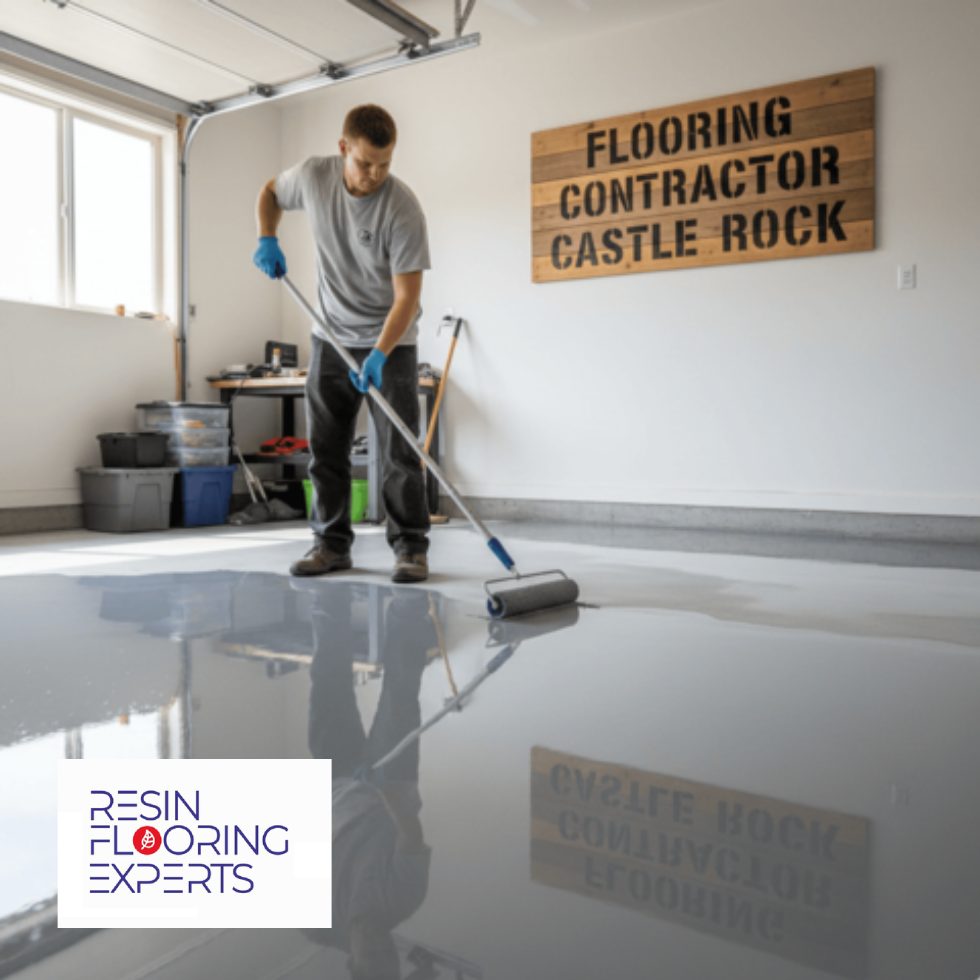
Epoxy flooring is a great choice in Castle Rock if you want floors that last and look good. Homeowners, real estate investors, business owners, property managers, and builders can all benefit from epoxy.
For homeowners, it's a great way to improve your garage, basement, or kitchen. It’s easy to clean, resists stains, and looks great. Real estate investors like it because it increases property value. Plus, tenants like the modern look and easy upkeep.
Small businesses with busy spaces benefit from epoxy's strength. It handles heavy traffic, equipment, and spills without damage. Property managers like that it lowers upkeep costs, saving time and money.
New construction builders find epoxy appealing because it’s affordable and customizable. It helps sell new homes and commercial spaces. A good epoxy floor lasts for years, making it a smart choice for any project. The finish looks professional and holds up well.